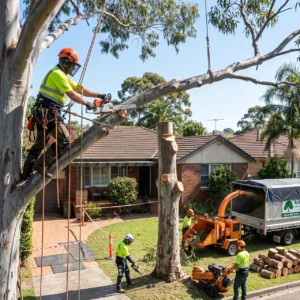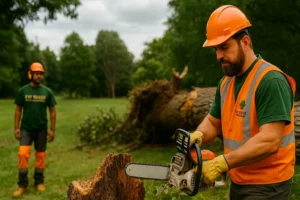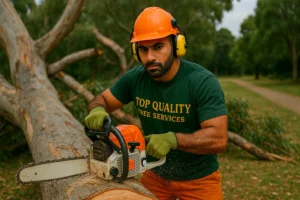
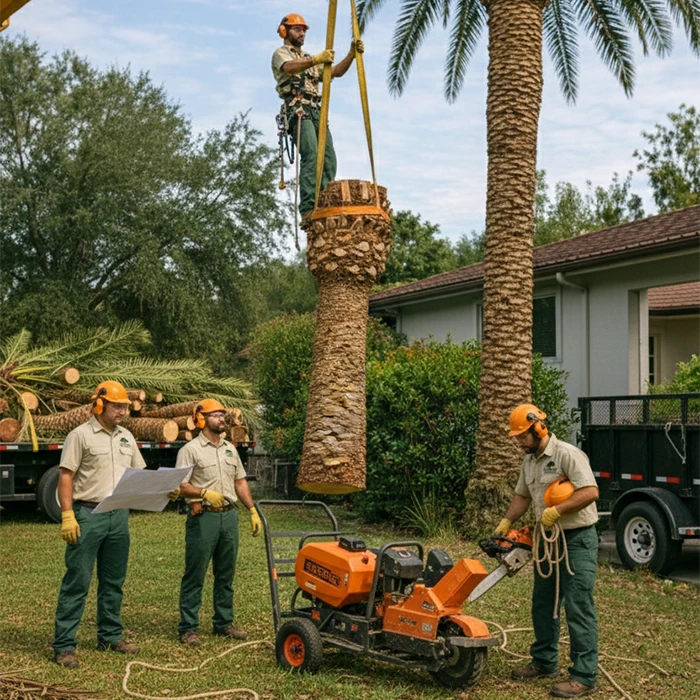
If you’re unsure, it’s always safer to confirm before acting. Speaking with Tree Removal Sydney specialists can help you quickly determine what applies to your property and avoid costly mistakes.
Quick Checklist — Can You Remove Your Tree?
- Is the tree dead, dying, or dangerous?
- Is it above common council size thresholds?
- Is it located in a protected or heritage area?
- Has it been damaged by a storm?
If you’re unsure about any of the above, it’s best to confirm before proceeding. This quick check alone can save you from costly errors.
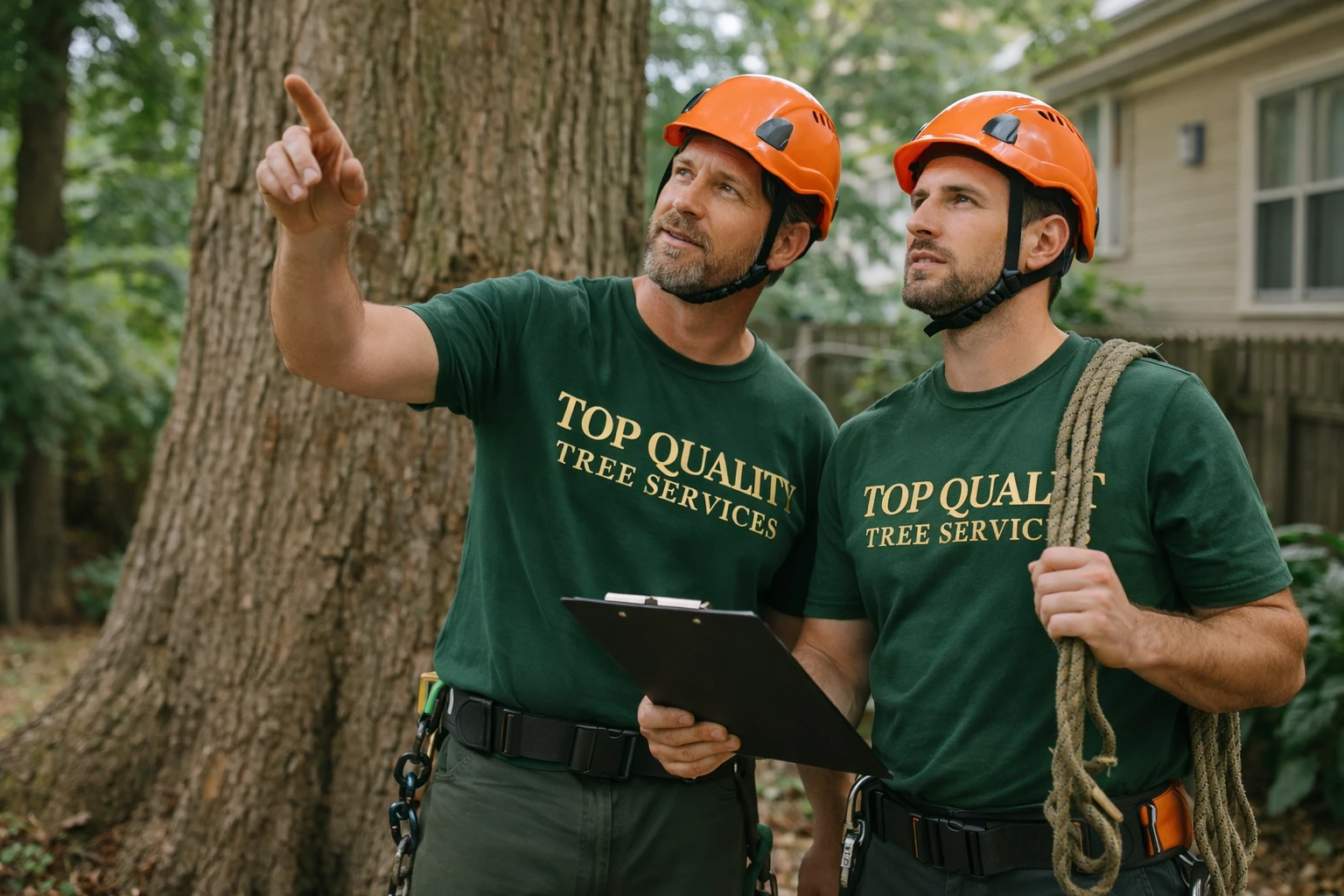
Do You Need Council Approval to Remove a Tree in Sydney?
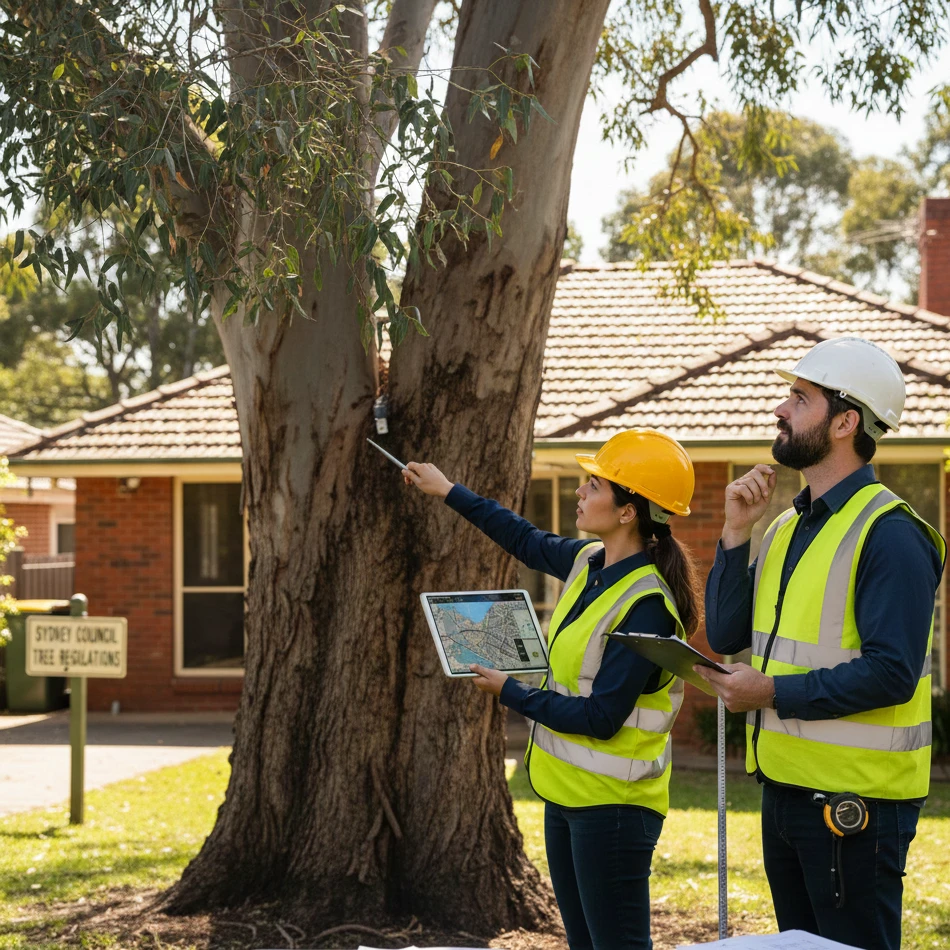
In most parts of Sydney, tree removal is regulated under local council Tree Preservation Orders (TPOs). These rules are designed to protect the urban canopy and ensure trees aren’t removed unnecessarily.
In general, approval is required when a tree exceeds certain size thresholds, is located in a protected zone, or is considered environmentally significant.
For example, many Sydney councils require approval for trees with a trunk diameter of around 300mm or more (measured at chest height). However, this can vary depending on your council.
There are also important exceptions. Trees that are dead, dying, or pose an immediate safety risk may be removed without prior approval — although documentation is often required afterward.
Sydney Councils Have Different Tree Removal Rules
- City of Sydney
- Parramatta Council
- Blacktown Council
- Inner West Council
Each council may define tree size thresholds, protected species, and exemption rules differently.
That’s why it’s important to assess your situation based on your specific council — not just general advice.
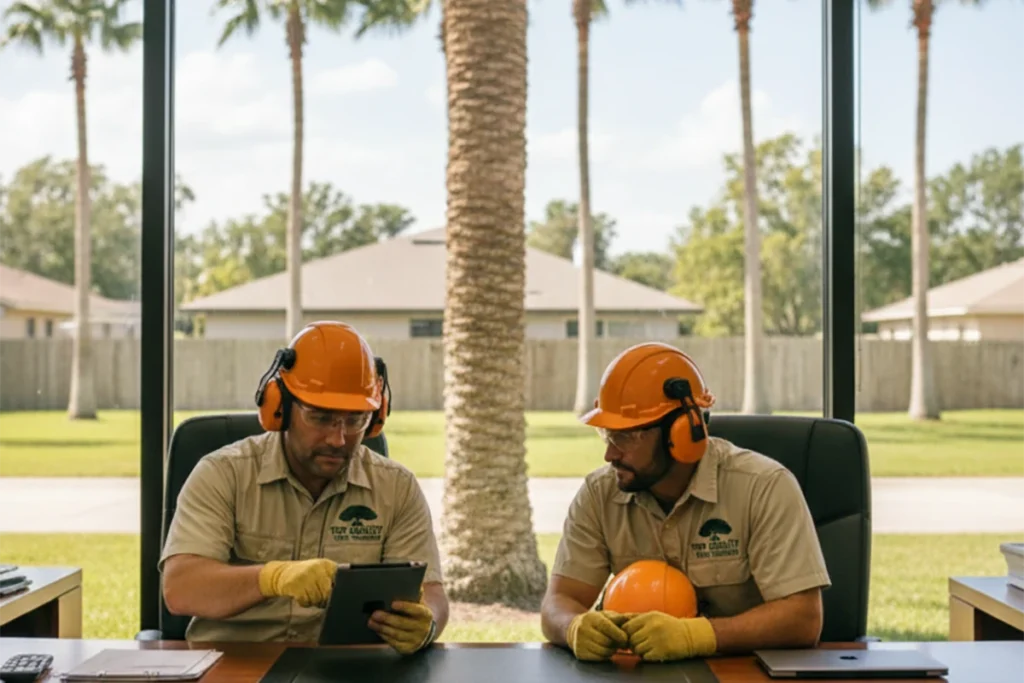
What You Should Do Before Removing a Tree in Sydney
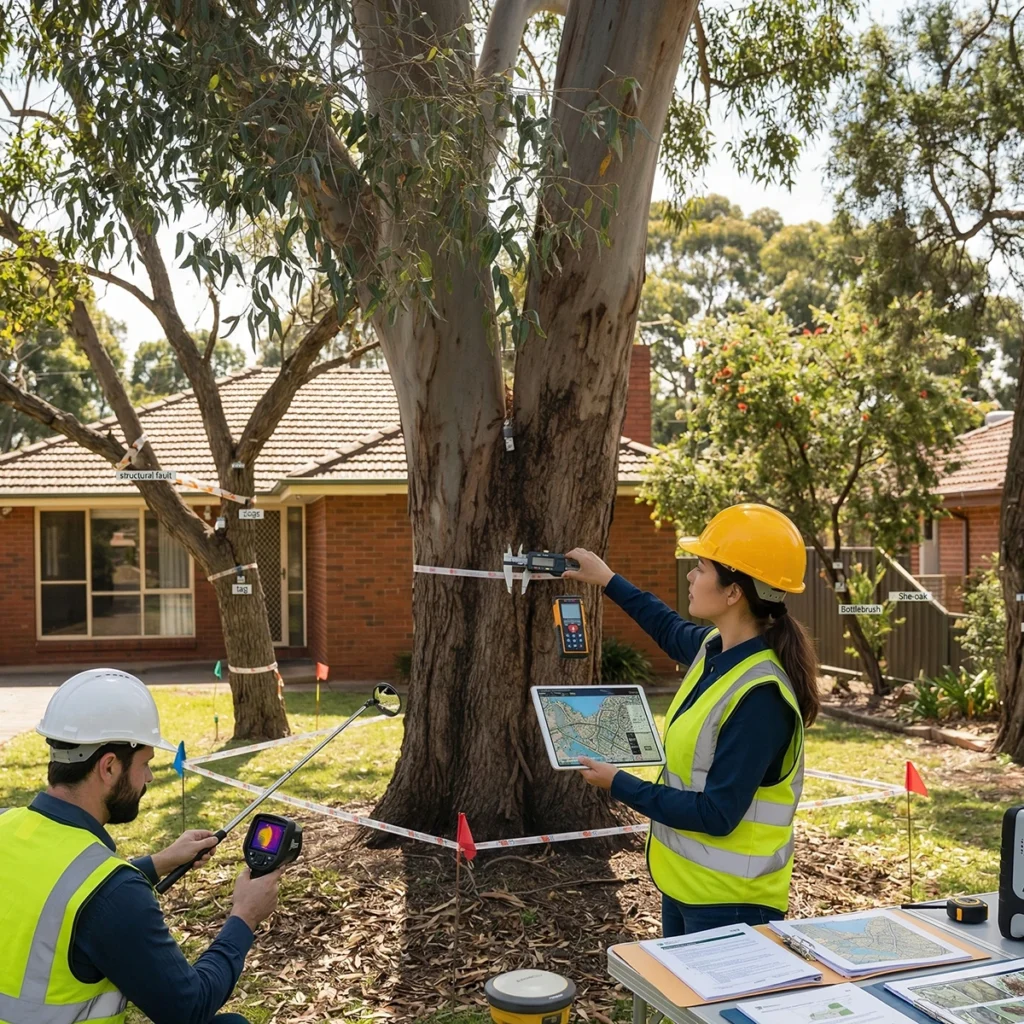
Before taking any action, it’s important to step back and assess the situation properly.
Start by identifying whether the tree may be protected under local regulations. This often depends on trunk diameter, species, and location on the property.
Next, consider the condition of the tree. A structurally unsafe or storm-damaged tree may fall under exemption rules, allowing for immediate removal.
Finally, check your local council requirements. In some cases, you may also need supporting documentation before proceeding.
If approval is likely, it helps to understand how tree removal in Sydney is assessed and approved before taking the next step.
This is where most homeowners get it wrong — they act too quickly without confirming the rules.
When Council Approval Is Required
In these situations, removal cannot proceed until formal permission has been granted. This process ensures that environmental impact is properly assessed.
Because thresholds vary between councils, it’s important not to rely on assumptions. What is exempt in one area may require approval in another.
When You Can Remove a Tree Without Council Approval
There are situations where approval is not required — particularly when safety is involved.
Trees that are dead, severely damaged, or pose an immediate risk to people or property can often be removed without prior consent.
For example, storm-damaged trees or structurally unstable trees may qualify for exemption. However, evidence is often required to justify the removal afterward.
How to Apply for Tree Removal Approval in Sydney
Once submitted, the council will review the application and may conduct a site inspection before making a decision.
Approval timelines can vary, but most applications take several weeks depending on the council and complexity of the case. There may also be application fees involved, as well as the cost of obtaining an arborist report if required.
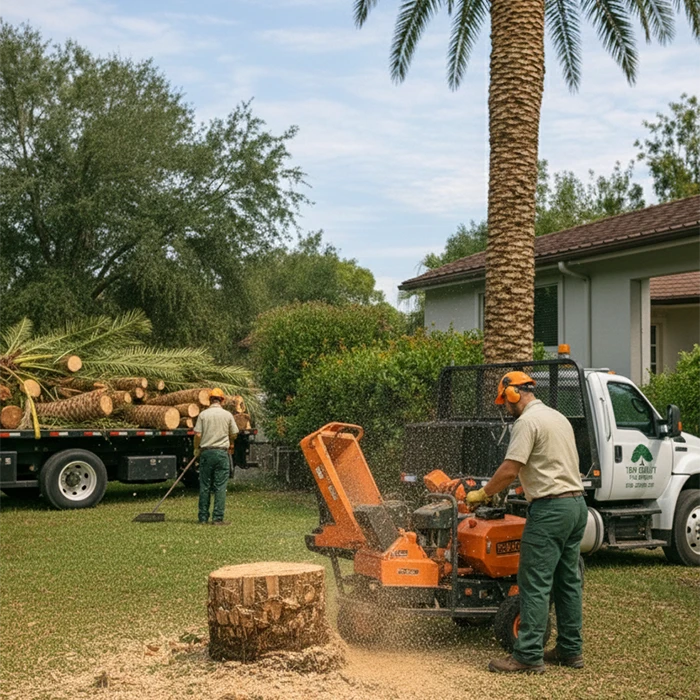
Documents You May Need for a Tree Removal Application
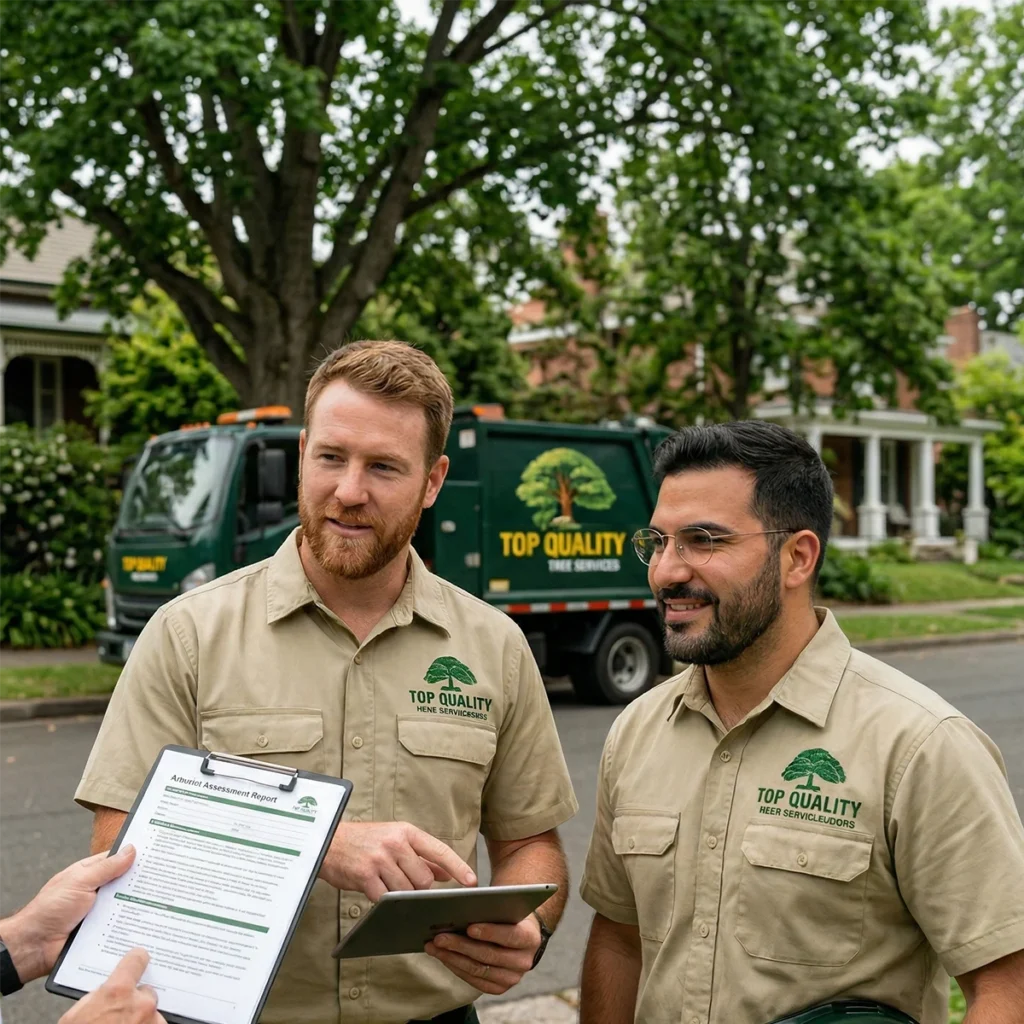
When applying for approval, councils will usually expect clear and accurate information.
This may include photos of the tree, measurements such as trunk diameter, details about the tree’s location, and supporting documentation like an arborist report.
Providing complete and accurate information upfront can speed up the process and improve your chances of approval.
What Happens After You Apply for Approval?
If approved, the council may impose specific conditions. These can include how the tree must be removed, safety requirements, or obligations such as replacement planting.
Replacement planting is a common condition, where a new tree must be planted to offset the removal.
What If Your Tree Removal Application Is Refused?
If your application is refused, you still have options.
You may be able to revise your application with stronger justification or additional documentation. In other cases, the council may recommend alternatives such as pruning or ongoing maintenance instead of full removal.
This is where professional guidance becomes valuable, as a stronger application can improve your chances of approval.
What Happens If You Remove a Tree Without Approval?
Beyond financial consequences, unauthorised removal can also create issues during property sales or future development.
This is why confirming your obligations before acting is always the safer approach.
Common Mistakes Sydney Homeowners Make
One of the most common mistakes is assuming that trees on private property can always be removed freely.
Another is misjudging whether a tree is dangerous. A tree can appear unsafe without actually meeting council exemption criteria.
Homeowners also often proceed without proper documentation, which creates problems if the removal is later questioned.
These mistakes are avoidable — but only if the process is understood properly.
When You Need an Arborist Report in Sydney
In many cases, a well-prepared report strengthens your application and helps justify removal — particularly when safety is involved.
If you’re unsure whether one is required, explore Arborist Reports in Sydney for council approval to understand how they fit into the process.
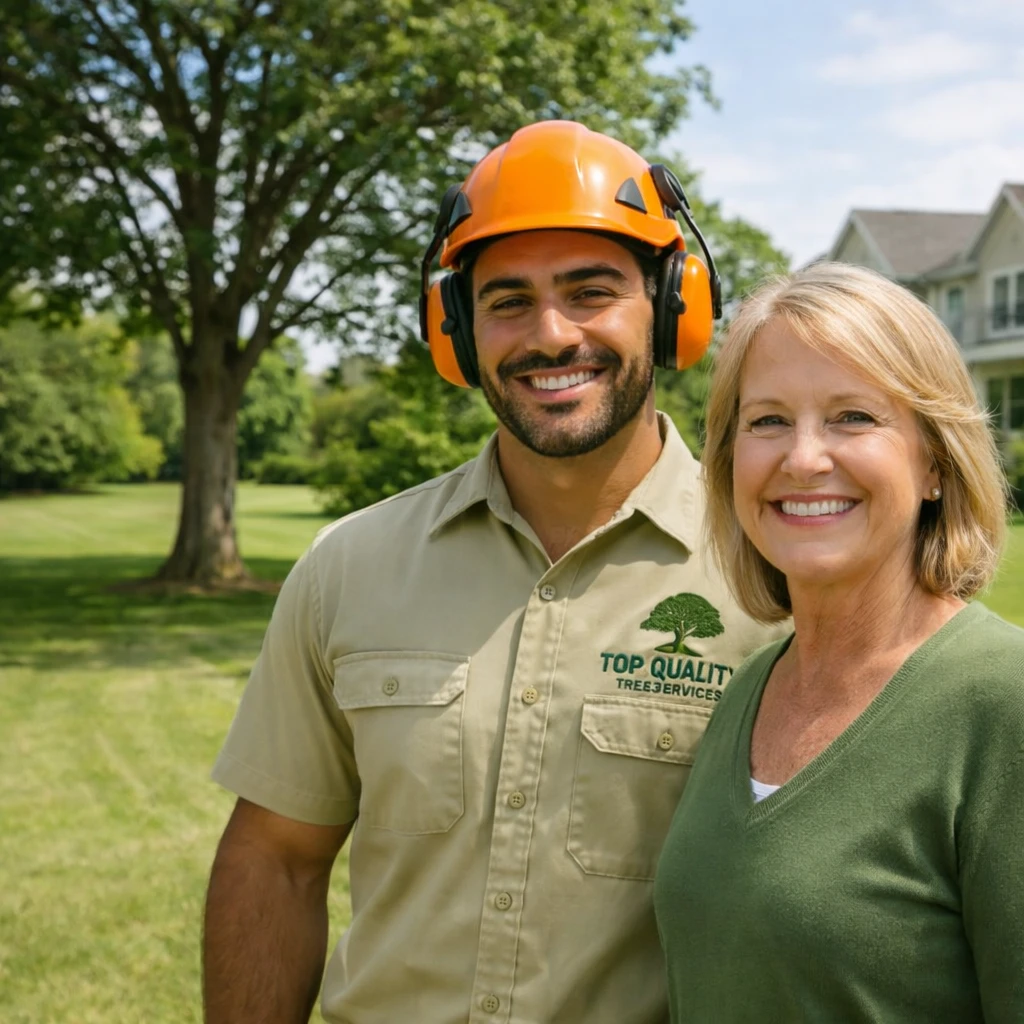
When to Call a Tree Removal Professional
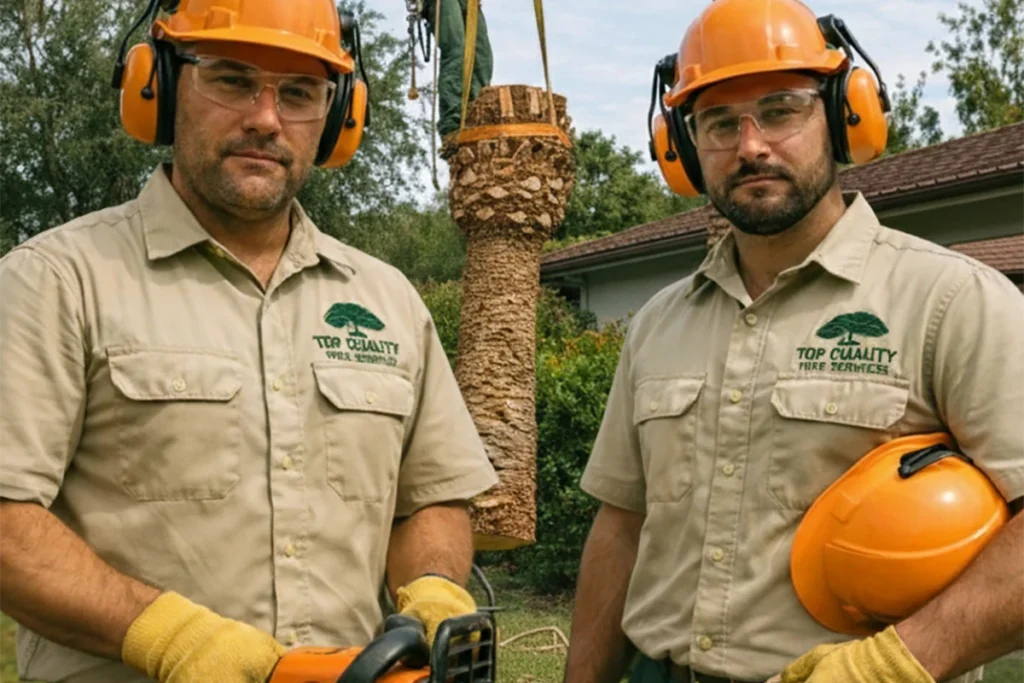
There are situations where handling tree removal on your own can create unnecessary risk — both legally and physically.
If you’re unsure about council approval, dealing with a large or unstable tree, or navigating the application process, professional assistance can make the process far smoother.
We regularly work with Sydney councils and understand how tree removal applications are assessed. This allows us to guide you properly and avoid delays.
For tailored advice, speak with Tree Removal Sydney experts who understand local regulations and processes.
Does Tree Pruning Also Require Council Approval in Sydney?
Because the rules vary depending on the extent of work and the type of tree, it’s important to confirm before proceeding.
For more information, see Tree Pruning Sydney services and council rules.
FAQs About Council Tree Removal Rules in Sydney
Can I remove a tree on my property without council approval in Sydney?
Sometimes. Trees that are dead, dangerous, or exempt may not require approval, but many still do depending on Sydney council regulations.
What size tree requires council approval in Sydney NSW?
Most councils require approval for trees above certain trunk diameter thresholds, often around 300mm.
How long does council approval take for tree removal in Sydney?
Most applications take several weeks depending on the council and complexity of the request.
Do I need an arborist report for tree removal approval in Sydney?
Often yes, especially when applying for approval or assessing tree safety risks.
Can I remove a dangerous tree immediately in Sydney?
Yes, but you may need to provide evidence afterward to justify the removal to council.
What happens if my neighbour complains about tree removal in Sydney?
Council may investigate whether proper approval was obtained. Documentation is essential.
Do I need council approval to prune a tree in Sydney NSW?
Sometimes. Significant pruning often requires approval depending on the tree and location.
Can I remove a tree without an arborist report in Sydney?
In some cases, yes — but most council applications require a report to support removal.
Which Sydney council do I apply to for tree removal approval?
You must apply through your local Sydney council based on where the property is located.