This guide explains how to assess post-storm tree risk properly, how to identify hidden danger, and when the situation shifts from “monitor” to “urgent” or “emergency.”
Step 1: Assess Immediate Structural Instability
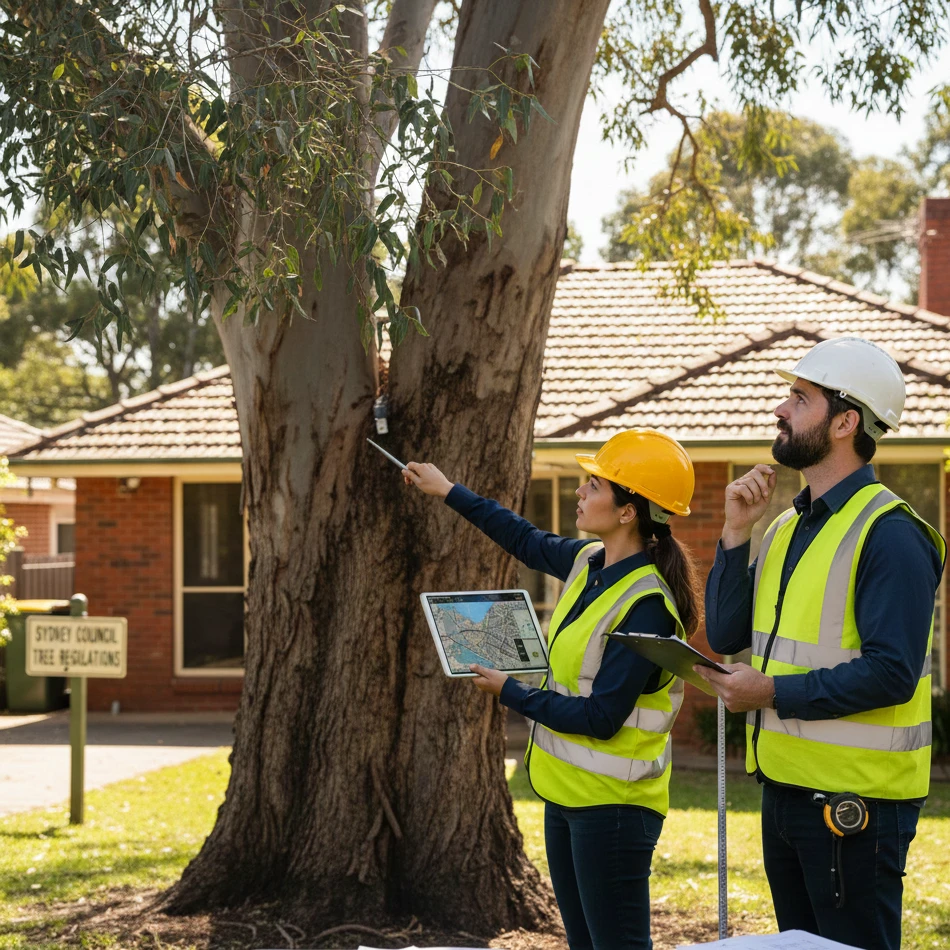
After severe wind or heavy rainfall, the first priority is identifying visible instability. Sydney’s dense residential blocks mean that even a partially compromised tree can threaten fences, driveways, vehicles, neighbouring homes, and footpaths.
- Sudden lean or exposed root plate → Root system compromise → Immediate professional assessment
- Large cracked limbs hanging overhead → Falling hazard → Urgent controlled removal
- Vertical trunk splits after wind event → Structural failure risk → Emergency inspection required
- Soil heaving or lifting near base → Root anchoring instability → Rapid evaluation advised
In tightly spaced Sydney suburbs, even minor structural compromise can escalate quickly in the next storm system. The difference between “monitor” and “emergency” is often structural integrity.
Step 2: Examine the Root Zone and Soil Conditions

Storm damage is not always visible above ground. Heavy rain can soften Sydney’s clay-based soils, weakening root anchorage even when the trunk appears stable.
Inspect the base of the tree carefully. Look for soil cracking, recent ground movement, pooling water around roots, or new depressions forming after rainfall. These changes often signal internal movement beneath the surface.
In many Sydney-wide residential areas, root failure occurs gradually before sudden collapse. If the soil has shifted significantly or roots are exposed, the situation may require urgent intervention rather than routine monitoring.
Step 3: Identify Hidden Trunk and Limb Damage
Wind stress can cause internal fractures without immediate external collapse. After a storm, examine the trunk and major limb unions for fresh cracks, splitting bark, or newly exposed timber.
Where major structural cracks are present, the risk category typically moves beyond simple maintenance. In such cases, escalation to emergency response may be necessary rather than general pruning.
For broader non-urgent maintenance support, services are outlined under Tree Services Sydney, but structural storm damage should be assessed differently from routine tree care.
Step 4: Determine the Risk Category — Monitor, Urgent, or Emergency
Not every storm-damaged tree requires immediate removal. The goal is to determine the appropriate response category.
Monitor: Minor canopy disturbance, no structural cracks, stable root zone, no new lean. These cases require observation but not emergency escalation.
Urgent Assessment: Noticeable lean, soil displacement, cracked limbs, or visible trunk stress. These situations require prompt professional inspection before the next severe weather event.
Immediate Emergency: Hanging limbs above structures, severe lean toward property, trunk splitting, root plate lifting, or interference with surrounding structures. These cases demand rapid stabilisation and potentially controlled dismantling.
In Sydney-wide urban environments, emergency-level cases should not be delayed. Dense housing and proximity to neighbouring properties significantly increase liability exposure.
Where structural compromise presents an immediate hazard, escalation to Storm Damage / Emergency Tree Removal Sydney becomes necessary.
Step 5: Consider Liability and Property Exposure
One of the most overlooked aspects of storm damage is liability. If a structurally compromised tree falls after visible warning signs were present, property owners may face avoidable damage consequences.
Post-storm inspection is not simply about tree health — it is about risk management. Clear escalation pathways reduce exposure to secondary damage and unintended consequences.
Why a qualified professional matters
Local Considerations for Post-Storm Tree Risk in Sydney
Common Mistakes Property Owners Make After a Storm
When NOT to Escalate to Emergency Removal
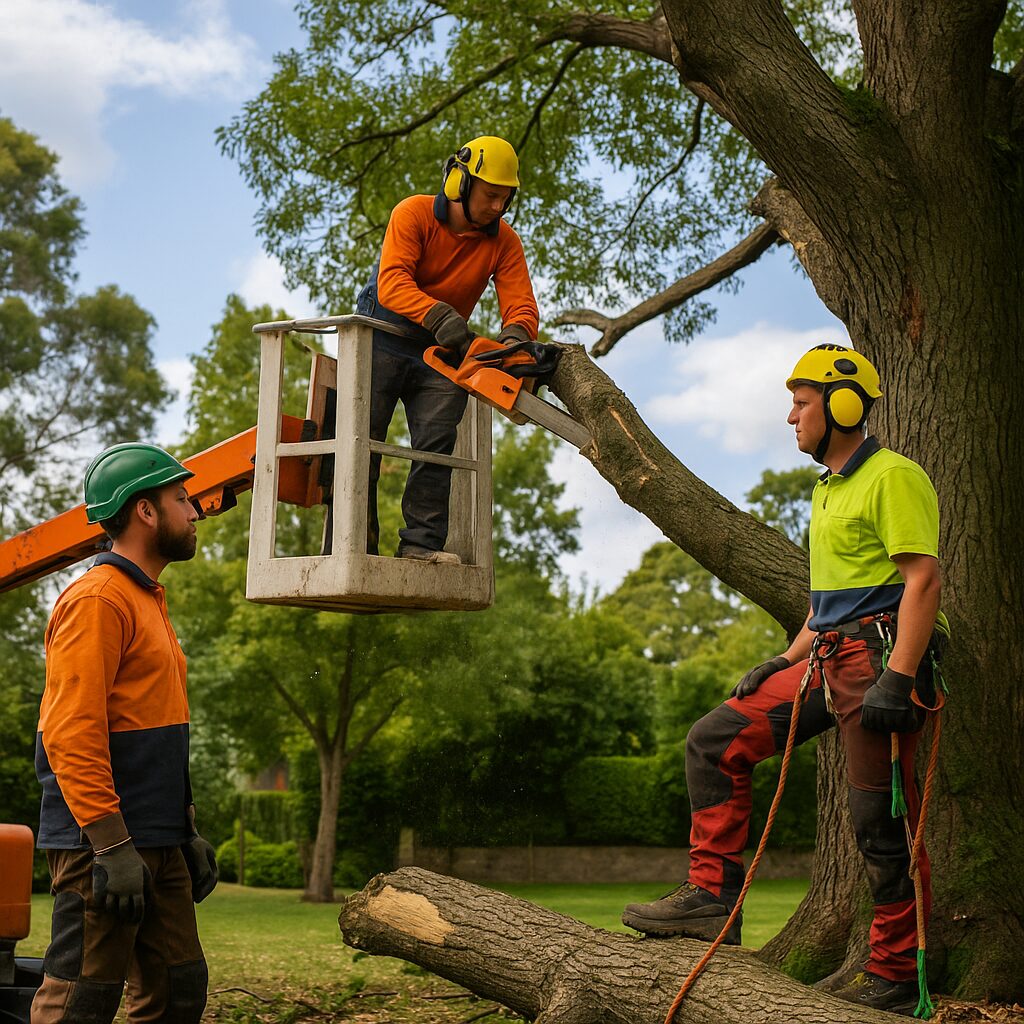
Not every tree affected by wind requires emergency intervention. If the root plate is stable, the trunk shows no cracking, and canopy disturbance is minimal, monitoring may be appropriate.
Minor branch breakage without structural compromise can often be addressed through scheduled maintenance rather than emergency response.
If there is no immediate threat to structures, vehicles, neighbouring property, or public safety, urgent removal may not be required.
Distinguishing between maintenance and emergency scenarios ensures that response remains proportional to risk.
Need Post-Storm Tree Assessment in Sydney?
If you are uncertain whether storm damage has compromised your tree’s structural integrity, early evaluation is the safest step.
Calm assessment reduces unnecessary risk and helps ensure property safety across Sydney-wide residential areas.